
Hit and Run in California: What to Do Next
By Aidin Ghavimi, Managing Attorney ·
Hit and run in California: what to do if the driver is never found, the uninsured motorist rules, and the 24-hour and 30-day deadlines.
Personal Injury
6 min read
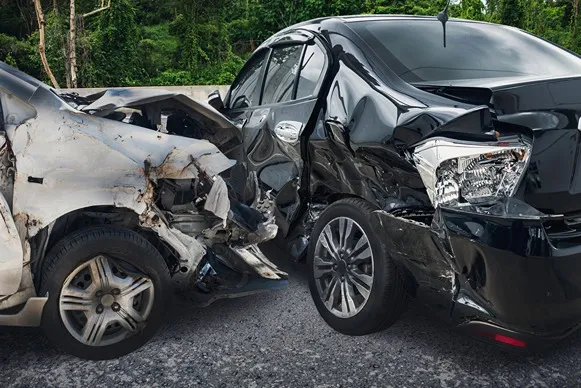
Short answer: If a driver hits you in California and leaves, get to safety, call the police, get medical care, and open a claim with your own insurer. When the driver is unknown, uninsured-motorist bodily-injury coverage generally requires physical contact, a police report within 24 hours, and a sworn statement to the insurer within 30 days after that report. That coverage pays for injuries if the policy still includes it. It does not pay to repair the car.
What to do after a hit and run
- Move to a safe place if you can, call 911, and seek medical care the same day even if you feel able to drive home.
- For an unknown driver, report the crash within 24 hours to the police department of the city where it happened. If it happened in unincorporated territory, report it to the county sheriff or the local California Highway Patrol office. Insurance Code 11580.2(b) requires that report.
- Within 30 days after the report, file a statement under oath with your own insurer. The statement must say you have a claim against a person whose identity cannot be ascertained and must set out the facts.
- Photograph the scene, the point of contact, debris, and nearby cameras. Get witness names before they leave.
- Do not guess about fault in a recorded statement. Tell your insurer the facts. Within two years of the crash, a claim on uninsured-motorist coverage generally requires a lawsuit against the uninsured motorist, a written agreement on the amount, or arbitration started by certified mail, return receipt requested.
Our uninsured-driver guide is about a driver you can identify who has no insurance. This page is about a driver who leaves, including a driver who is never found. The car accident page covers the broader claim.
What has to be true for uninsured-motorist bodily injury
| Requirement | What the statute says | Why it matters |
|---|---|---|
| The coverage exists | Insurers must offer uninsured-motorist bodily-injury coverage. You can waive it in writing, or agree to lower limits. | If the coverage was deleted, there may be no uninsured-motorist claim. |
| Physical contact | The injury must arise out of physical contact of the automobile with you or with a vehicle you are occupying. | A near miss, without contact, generally does not qualify. How the contact happened is a factual question. |
| Police report in 24 hours | Report to the city police, or in unincorporated territory to the sheriff or the Highway Patrol. | Waiting past 24 hours can defeat the unknown-driver claim even if you were badly hurt. |
| Sworn statement in 30 days | File it with the insurer within 30 days after the report, not merely within 30 days of feeling ready. | The statement identifies an unknown at-fault person and the supporting facts. |
| Two-year outer step | Within two years, sue the uninsured motorist, agree on the amount, or start arbitration by certified mail. | Opening a claim with a phone call is not the same as one of those three steps. |
Insurance minimums and what they do not pay
For a liability policy issued or renewed on or after January 1, 2025, Vehicle Code 16056 requires at least $30,000 for bodily injury to one person, $60,000 per accident, and $15,000 for property damage. A policy issued before that date can remain at the older $15,000, $30,000, and $5,000 limits until it renews. Uninsured-motorist coverage is offered with limits tied to the liability policy, and it can be rejected in writing. Those minimums are not the value of an injury claim.
California is not a no-fault state and does not require personal-injury-protection coverage. Some policies include optional medical-payments coverage, which can pay medical bills regardless of fault and is separate from uninsured-motorist coverage. Collision coverage, if you bought it, is what usually pays for your vehicle when the other driver is unknown. Uninsured-motorist bodily-injury coverage does not.
A driver who causes injury or property damage has a duty to stop and exchange information. Your civil claim does not depend on that driver being caught or prosecuted. If the driver is later found and has insurance, the claim may shift to that policy. Until then, your own coverage is the practical path. A bodily-injury lawsuit against an identified driver is generally due within two years under Code of Civil Procedure 335.1. Read the personal-injury deadline guide and how to report a car accident.
Checklist
- The police report number and the time you reported.
- Photos of contact damage and the intersection.
- Your insurance declarations page, so you know whether uninsured-motorist coverage was waived.
- The sworn statement and proof of when you sent it.
- Medical records and wage records. Do not wait to see a doctor because the other driver vanished.
- A calendar entry two years from the crash for the lawsuit, agreement, or certified arbitration notice.
Questions people ask
What if the driver is never found?
You may still have a claim on your own uninsured motorist bodily-injury coverage, if you did not waive it in writing. For an unknown driver, the statute requires physical contact, a police report within 24 hours, and a sworn statement to your insurer within 30 days after that report.
Does uninsured motorist coverage pay for a hit and run?
It can pay bodily injury if the policy includes that coverage and the hit-and-run conditions are met. It does not repair your car. Collision coverage, if you bought it, is what usually addresses vehicle damage when the other driver is unknown.
How fast do I need to call the police?
For an unknown driver, Insurance Code 11580.2 requires a report within 24 hours to the city police or, in an unincorporated area, to the sheriff or the California Highway Patrol. Report even if you feel fine. Some injuries show up later.
What is a hit-and-run injury claim worth?
There is no set value. It depends on your injuries, medical care, lost income, and the available coverage. California is not a no-fault state, and there is no standard payout. Prior results do not guarantee a similar outcome.
Do I have to use my own insurance?
For an unknown or uninsured driver, your own uninsured motorist coverage is often the practical source of bodily-injury payment. Using it is not an admission of fault. Tell your insurer the facts, and get medical care even if you worry about the bill.
Talk with Starpoint Law. Call 310-424-9971 or contact us online for a free consultation. Offices in Century City and Sherman Oaks. We represent people in California only. The case is handled on contingency. If we do not win, you owe Starpoint Law nothing: no attorney fee and no case costs. This page is general information, not legal advice.
Talk to a California injury lawyer
If this happened to you, Starpoint Law can review it in a free consultation. Related guides and tools:
Personal Injury
Contact Us
You Don’t Have to Figure This Out Alone.
Whether you were injured or mistreated at work, we’ll explain your options clearly — and guide you through every step. No fees up front. No pressure. Just answers.




©2026 Starpoint Law. All Rights Reserved